
Dental Implants
Modern Solutions for Tooth Replacement

Dental implants are the gold standard in tooth replacement because they restore your tooth and root.

Dental Implants | Dentist

Dental Implants

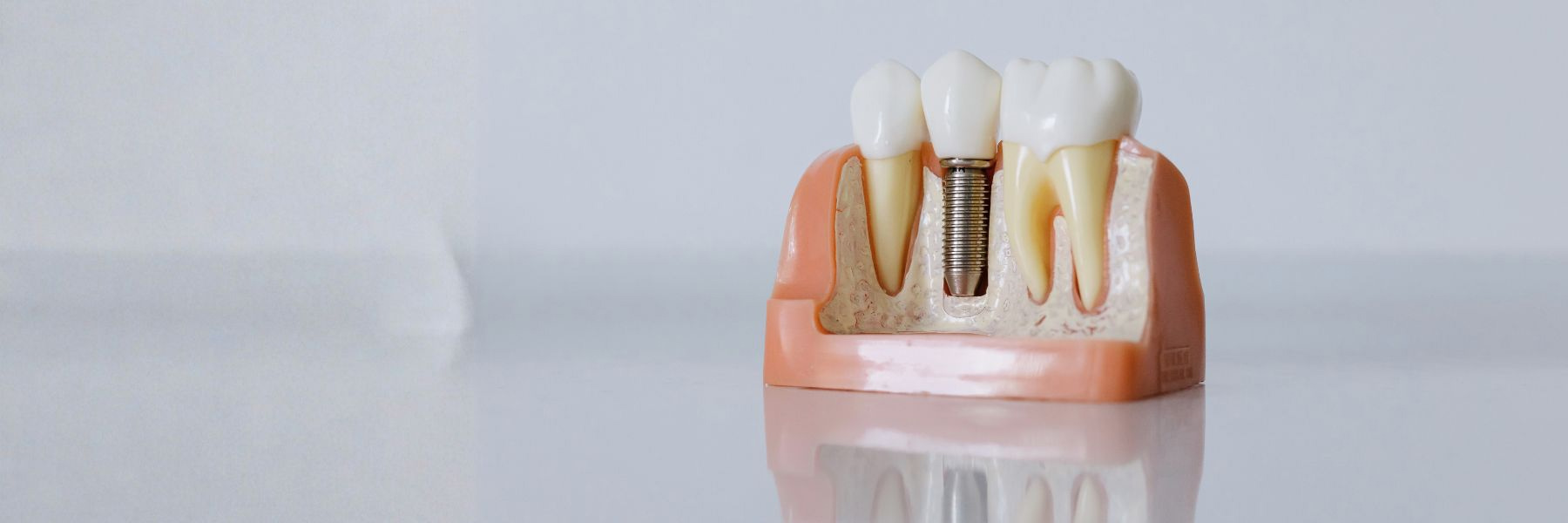
Dental implants replace missing tooth roots and support restorations like crowns that are visible above the gumline. An implant typically consists of a titanium post placed in the jawbone, an abutment, and a dental crown. Implants can also support bridges and dentures when several or all teeth are missing.

Because an implant is anchored in the jaw, it can provide stable support for biting and chewing. A single implant also generally allows us to replace a tooth without reshaping the healthy teeth beside it.

What Can Dental Implants Replace?

Depending on your needs, implants may support:

  • A crown replacing one missing tooth
  • A bridge replacing several adjacent teeth
  • A removable denture with improved stability
  • A fixed full-arch restoration

Implants stimulate the jawbone when you chew, which may help limit bone loss in the area of a missing tooth. However, treatment outcomes vary, and implants require ongoing care.

Are You a Candidate for Dental Implants?

Implant treatment may be an option for adults whose jaw growth is complete and whose health supports surgery and healing. Your dentist will evaluate your:

  • Jawbone volume and density
  • Gum health
  • Remaining teeth and bite
  • Medical and dental history
  • Medications and tobacco use
  • Ability to maintain daily oral hygiene

Gum disease and active infections should be treated before implant placement. Conditions such as uncontrolled diabetes and habits such as smoking can interfere with healing and increase the risk of complications. These factors do not automatically disqualify you, but they require careful consideration.

If the jawbone cannot adequately support an implant, we may recommend bone grafting. This process can make treatment possible for some patients but typically adds another procedure and more healing time.

Testimonial

So relieved they are available and affordable.

Professional staff and very welcoming. I’ve had bad experiences in the past and jumped around a bunch. So relieved they are available and affordable for all my dental needs.

-Brett C.

See More Testimonials

What Does Implant Treatment Involve?

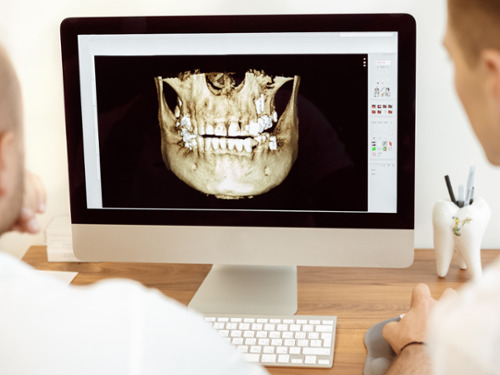
Planning begins with an examination and dental imaging to assess the bone and nearby structures. We then place the implant in the jawbone during a surgical procedure at our dental office. 

Over the following months, the bone heals around the implant in a process called osseointegration. Once the implant is stable, we attach the abutment and customized restoration. A temporary tooth may be available during healing, depending on the location of the implant and your treatment plan.

The number of appointments and total timeline vary according to your health, healing, and whether you need an extraction or bone graft.

Understanding Implant Risks and Maintenance

Possible complications include infection, delayed healing, injury to nearby structures, implant loosening or failure, and inflammation or bone loss around the implant. The crown, bridge, or denture attached to it can also wear or become damaged.

Although an implant cannot develop a cavity, plaque can affect the surrounding gums and bone. Brush, clean between the implant and nearby teeth, and maintain regular dental examinations and professional cleanings.

Explore Your Tooth Replacement Options

Implant costs depend on the number of teeth replaced, the restoration used, and whether preparatory procedures are needed. Insurance coverage varies. After evaluating your needs, we can compare implants with other tooth replacement options and provide a personalized treatment estimate.

If you would like to learn more, please call us to schedule a consultation.

Frequently Asked Questions

Dental implants have several advantages over other tooth replacement options:

  • Dental implants appear lifelike and natural.
  • The implant post of the dental implant is made of titanium, a biocompatible metal.
  • Dental implants are secure and stable.
  • Dental implants help to prevent bone loss, keeping your jaw tissue healthy and preventing changes in the shape of your face.
  • With proper care, dental implants can last a lifetime.
  • Dr. Jeff Drissell

    Dr. Jeff Drissell

    Dr. Jeff Drissell earned his Doctor of Dental Surgery degree from the University of Missouri-Kansas City (UMKC) School of Dentistry in 2018 and has been part of the Kehrs Mill Dental Arts family ever since. …

    Read More
  • Dr. John Helling

    Dr. John Helling

    Dr. John Helling is proud to call St. Louis home, and Kehrs Mill Dental Arts is where he brings that community spirit to work every day. He completed his undergraduate studies at Creighton University before …

    Read More

Dental Implants Technology

3D Dental Imaging

3D Dental Imaging

3D cone beam CT (CBCT) gives us a detailed, three-dimensional view of your teeth, jaws, nerves, and bone, so we can plan treatment with far more precision than traditional 2D x-rays. In a quick, comfortable scan, CBCT helps us evaluate bone volume for dental implants, locate infection or hidden fractures, assess impacted teeth, and map important anatomy like nerve pathways and sinuses. That detail matters: it allows for safer, more predictable care and often reduces surprises during treatment. We use CBCT as part of our digital workflow to accurately diagnose, personalize your plan, and deliver results you can feel confident about.